Layered Cross Card: A 3D SVG for Easter-Inspired Editorial Design
First Impressions: Faith, Depth, and Dimension in a Design Asset
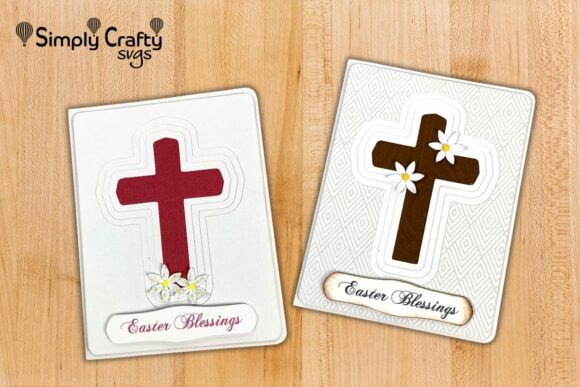
The first time I opened the Layered Cross Card, I was struck by its elegant 3D composition and the subtle spiritual undertone it carries. This isn’t just a flat vector graphic—it’s a layered, dimensional SVG that feels both modern and meaningful. The design conveys a sense of reverence without being overtly religious, making it ideal for content that touches on faith, celebration, or seasonal storytelling.
From a visual communication standpoint, the Layered Cross Card feels clean yet decorative, with enough depth to stand out in a digital layout. It has a soft, artistic quality that leans toward lifestyle and seasonal niches, especially around Easter, but it's versatile enough to be adapted for broader use in faith-based content marketing, holiday guides, or inspirational digital products.
Real-World Publishing Use Cases for Layered Cross Card
As a blog designer and digital publisher, I’m always looking for design assets that can pull double or triple duty across content formats. Here’s how I see the Layered Cross Card fitting into a real publishing workflow:
- Featured Images – The dimensional quality of the SVG makes it perfect for blog headers and article thumbnails, especially for seasonal or inspirational posts.
- Pinterest Graphics – The strong visual hierarchy and Easter-inspired theme make it an ideal base for seasonal pins that stand out in feeds.
- Email Newsletter Headers – Its layered design adds visual interest without overwhelming the layout, helping guide the reader’s eye toward key content.
- Lead Magnets & Digital Guides – Whether used as a decorative border or a central design element, this SVG adds a polished feel to downloadable resources.
- Canva Templates – Easily integrated into templates for social media stories, blog graphics, or eBook covers, especially around Easter or faith-based content.
How Layered Cross Card Boosts Content Performance
High-quality graphic design assets like this one don’t just make your blog look better—they help your content perform better. Here’s how the Layered Cross Card contributes to stronger editorial design and reader engagement:
- Stronger First Impression – The 3D depth immediately catches the eye, giving your blog or digital product a more premium feel.
- Clearer Visual Hierarchy – The layers guide the viewer’s gaze naturally, supporting the structure of your layout.
- Higher Click-Through Potential – Especially on Pinterest or social media, this design asset makes your visuals more clickable.
- Consistent Branding – If you're building a seasonal or faith-based brand identity, this SVG helps maintain a cohesive look across platforms.
- Improved Reader Trust – Clean, professional design cues like this signal quality and attention to detail.
Best Use Cases for Maximum Impact
Some design assets work best in specific contexts, and the Layered Cross Card shines in the following areas:
- Hero Images – The SVG’s depth and structure make it great for large banners or landing page headers.
- Article Thumbnails – Especially for seasonal or inspirational content, this design helps your blog stand out in feeds.
- Social Media Previews – Works well in Instagram Stories or Facebook posts where a decorative yet modern look is desired.
- Newsletter Headers – Adds visual interest without competing with your content.
- Content Upgrades – Perfect for downloadable printables or worksheets that need a touch of elegance.
Where to Use Layered Cross Card with Caution
While this SVG is visually compelling, it’s not a one-size-fits-all solution. Here are a few scenarios where you should approach it carefully:
- Small Mobile Thumbnails – The intricate layers may not render clearly at very small sizes.
- Text-Heavy Blog Images – If you’re overlaying a lot of copy, the layers might distract from readability.
- Low-Contrast Backgrounds – The design can get lost if not placed against a contrasting color or backdrop.
- Busy Layouts – In complex editorial designs, this SVG might add visual noise rather than clarity.
- Corporate or Minimalist Niches – It may feel out of place on sites that require a sleek, modern, or ultra-professional tone.
Publisher Notes: What to Test Before Publishing
Before using the Layered Cross Card in live content, here are a few practical steps I recommend:
- Test on Desktop and Mobile – Make sure the layers render clearly across screen sizes.
- Preview as a Thumbnail – Check how it looks in small image grids or on Pinterest.
- Try with Headline Text – See how well it works when used as a background or overlay element.
- Check Contrast and Readability – Especially important if you're adding text over the design.
- Try in Black and White – Some SVGs lose impact when desaturated; this one holds up but should be tested.
- Pair with Different Fonts – Works best with script or serif fonts, but test with sans serif or display fonts to see how it adapts.
- Review File Size – Keep your digital product lightweight by compressing the SVG if needed.
- Confirm Commercial Licensing – Always double-check that the file is cleared for use on monetized blogs, affiliate content, or paid digital guides.
Final Thoughts: A Versatile SVG for Seasonal and Spiritual Content
The Layered Cross Card is more than just a decorative graphic—it’s a functional creative design tool that supports stronger content marketing and editorial presentation. Whether you're creating seasonal blog posts, designing a downloadable guide, or building a branded digital download for your audience, this SVG adds a layer of professionalism and visual storytelling that’s hard to achieve with basic assets.
If you're a small business owner, content creator, or digital marketer looking to elevate your blog graphics, social media visuals, or affiliate marketing materials, the Layered Cross Card is worth a closer look—especially if your niche aligns with seasonal, inspirational, or faith-based themes.